Multi-Head Lines
Assess repeated designs, balanced loading, floor space, power, operator walking distance, and the business cost of stopping every head for one fault.

DESIGN FILE → HOOP → STITCH → INSPECT
Match machine format, head count, needle configuration, hooping method, and operator routine to the garments and order mix that actually reach your floor.
Machine range
A useful comparison begins with decoration area, garment handling, color changes, expected pieces per shift, and changeover frequency—not with head count alone.
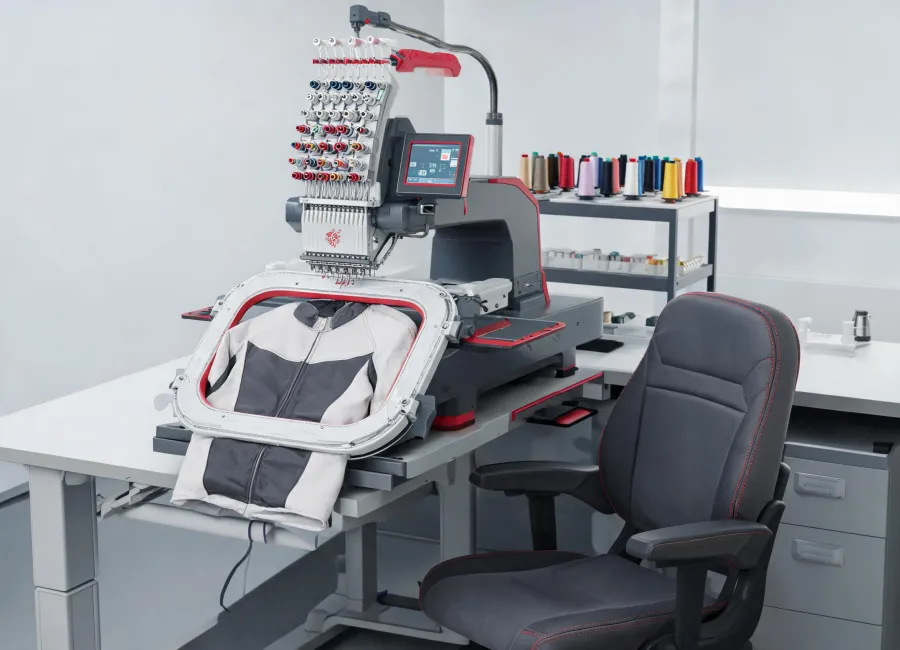
Useful where samples, names, small batches, and varied placements dominate. Confirm cap compatibility, available frames, embroidery field, needle count, and the time operators need between unrelated jobs.
Review available categories →Assess repeated designs, balanced loading, floor space, power, operator walking distance, and the business cost of stopping every head for one fault.
Map frame change time, cap profile, seam interference, needle selection, and the registration tolerance the finished order will accept.
Chenille, mixed materials, heavy goods, and unusual fixtures require sample testing before a configuration is committed to a production plan.
Where the machine earns its place
Material stability, order size, placement access, and finishing expectations shape a better machine discussion.
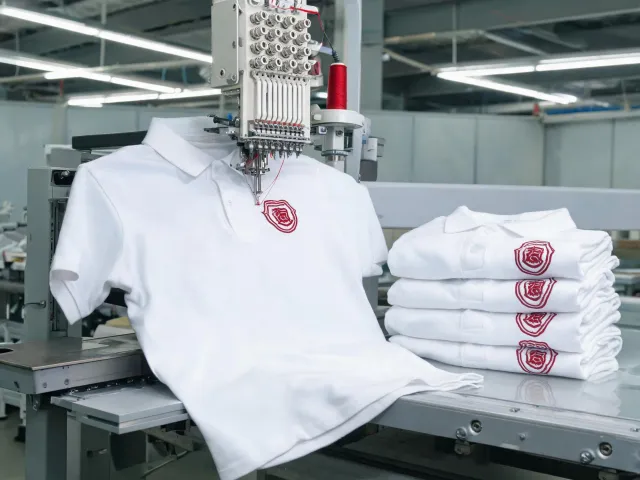
Polos, jackets, uniforms, and fashion panels with varied design density.
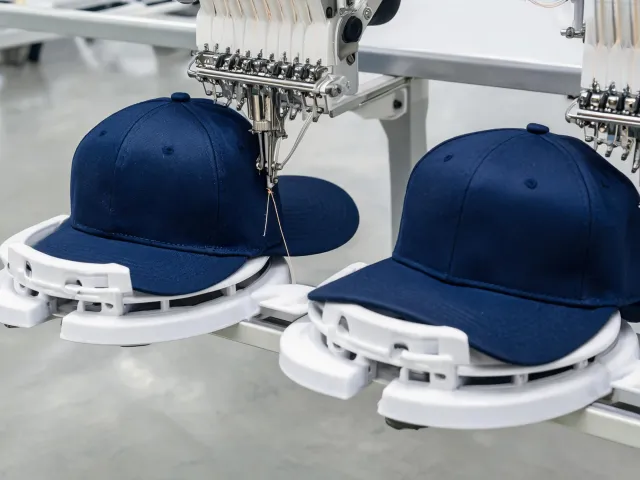
Frame geometry, crown profile, and seam transitions set practical limits.
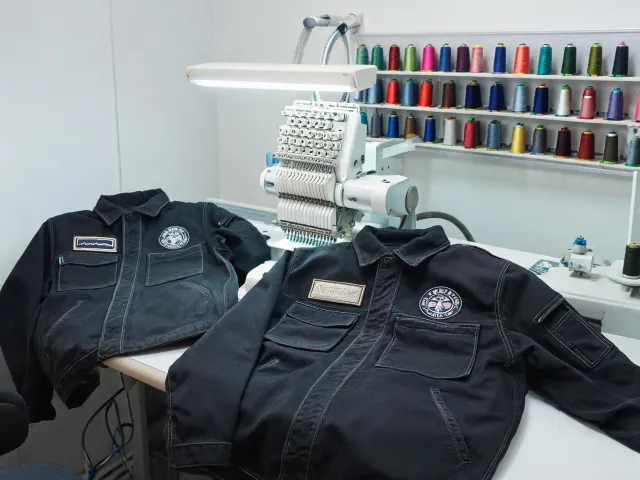
Repeatability matters across durable fabrics, names, and identity marks.
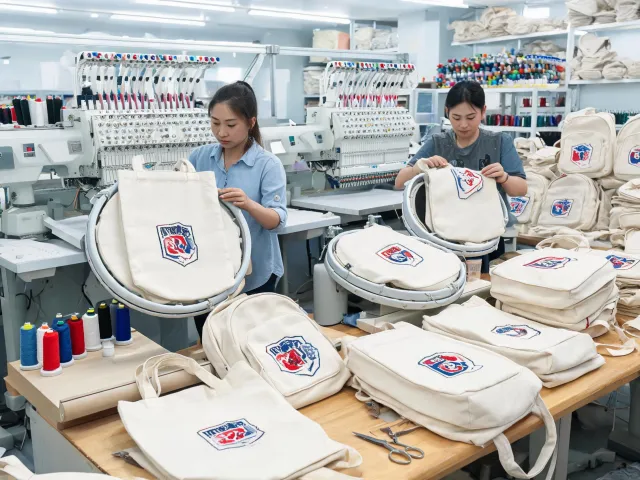
Irregular access, short runs, and frequent job changes reward flexibility.
A disciplined handoff
This timeline is a planning method, not a performance claim. Record the same inputs at every gate so a repeat order can be diagnosed rather than guessed.
Record garment construction, design dimensions, stitch count, color sequence, placement tolerance, batch size, and due-date pattern.
Select needle, thread, stabilizer, tension baseline, hooping method, and speed ceiling for the actual material—not a substitute swatch.
Check registration, puckering, thread breaks, trims, birdnesting, needle deflection, and the back of the finished piece.
Freeze the approved file and setup sheet, then train operators on stop conditions and the escalation path for deviations.
Bring a real job
Send one representative design, the intended garment, stabilizer information, expected pieces per shift, and the changeover pattern. The review can then focus on observable outcomes.
Use exact production details where possible.